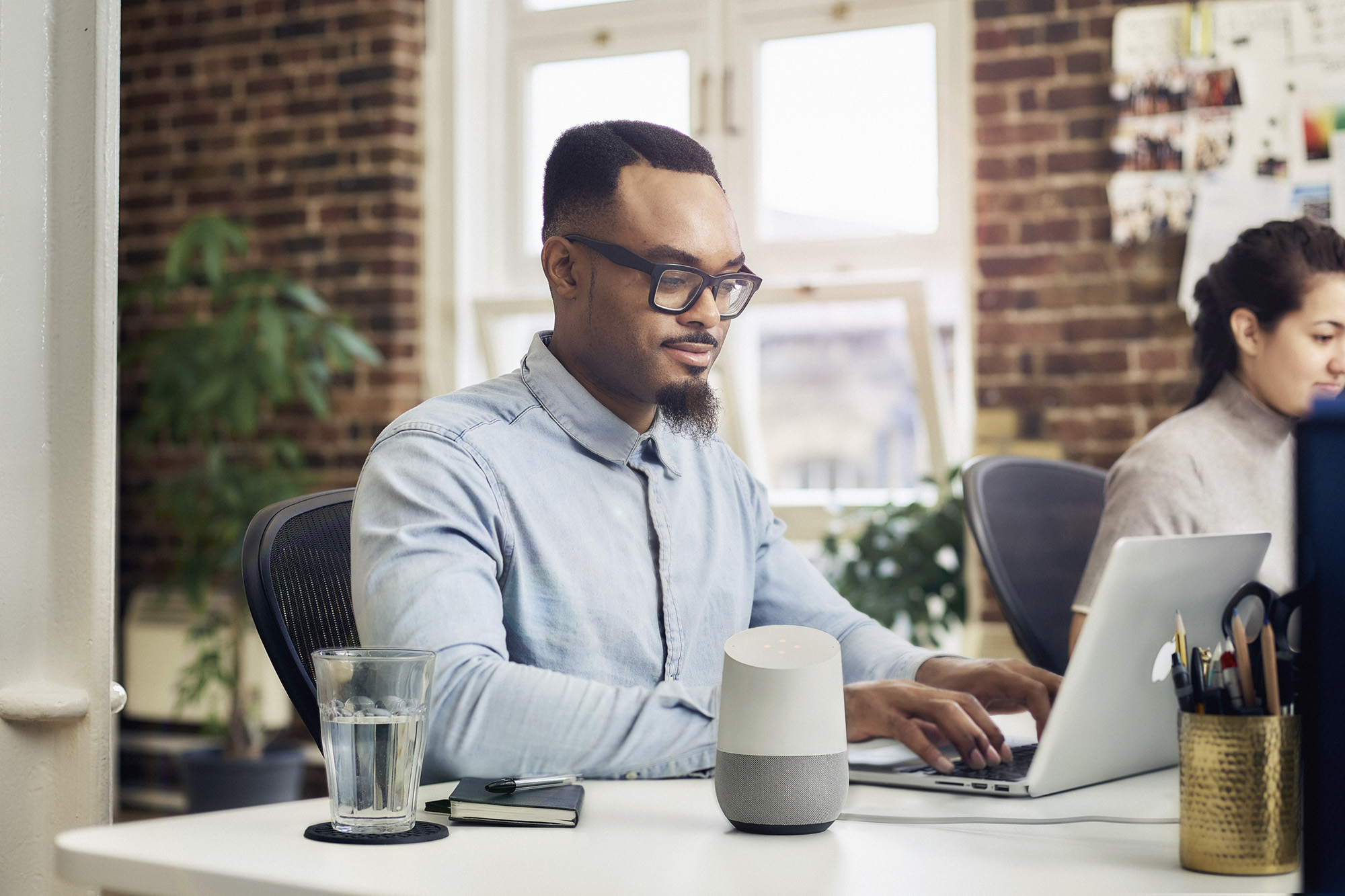




Radio has long been seen as a background medium — something audiences consume passively while doing something else. But in a mobile-first environment, that assumption no longer holds. Today, audio often coexists with active digital behaviour, creating new opportunities for advertisers to trigger immediate action.
For broadcasters and marketers, the key question is no longer just reach, but what happens during listening.
The widespread use of smartphones has fundamentally changed how people consume audio. Whether it’s live radio, streaming, or podcasts, listening now happens alongside browsing, messaging, or scrolling.
According to Ofcom’s Media Nations report, a significant share of listeners use a second device while consuming audio content. This behaviour creates a direct bridge between exposure and action.
The rise of “audio second screening”
Unlike video, audio does not demand visual attention. This makes it uniquely compatible with simultaneous mobile use — particularly during commuting, working, or routine tasks.
As a result, listeners are often already holding a device when they hear a message. The gap between awareness and interaction becomes much shorter.
An underused performance lever
Despite this, many audio campaigns are still designed primarily for brand awareness. In reality, they can also support measurable actions such as:
- searching for a brand mentioned on air
- visiting a website or app
- engaging with a simple digital service
Overlooking this behaviour means missing a key part of audio’s current value.
From exposure to action: understanding the user journey
The transition from listening to action depends on a combination of factors: clarity of message, repetition, and ease of access.
In particular, services that offer fast, intuitive experiences tend to perform better. When the effort required is minimal, users are more likely to act immediately.
For example, some digital platforms rely on highly accessible, mobile-first interactions — such as quick-entry entertainment formats like online roulette interfaces such as NetBet. These types of experiences illustrate how a simple, frictionless journey can convert attention into action within seconds.
This highlights an important nuance: audio may not always drive complex decisions, but it can effectively trigger low-friction engagement.
Which sectors benefit the most?
Not all industries leverage this behaviour equally. The most effective sectors typically share three characteristics:
- a clear and immediate value proposition
- a seamless mobile experience
- low barriers to entry
This includes areas such as digital finance, e-commerce, entertainment platforms, and certain online services.
By contrast, products requiring longer consideration cycles tend to see weaker immediate impact from audio exposure.
Why some audio formats convert better
The effectiveness of audio advertising also depends on format. Campaigns that perform best often rely on:
- a conversational tone (especially in podcasts)
- native integration within content
- clear, user-focused messaging
Overly promotional or complex messaging tends to be less effective, particularly in multitasking environments.
How to optimise audio campaigns for action
As audio increasingly drives real-time behaviour, campaign design needs to reflect how people actually listen and interact. The key principles below summarise what makes audio effective in a mobile-first environment.